

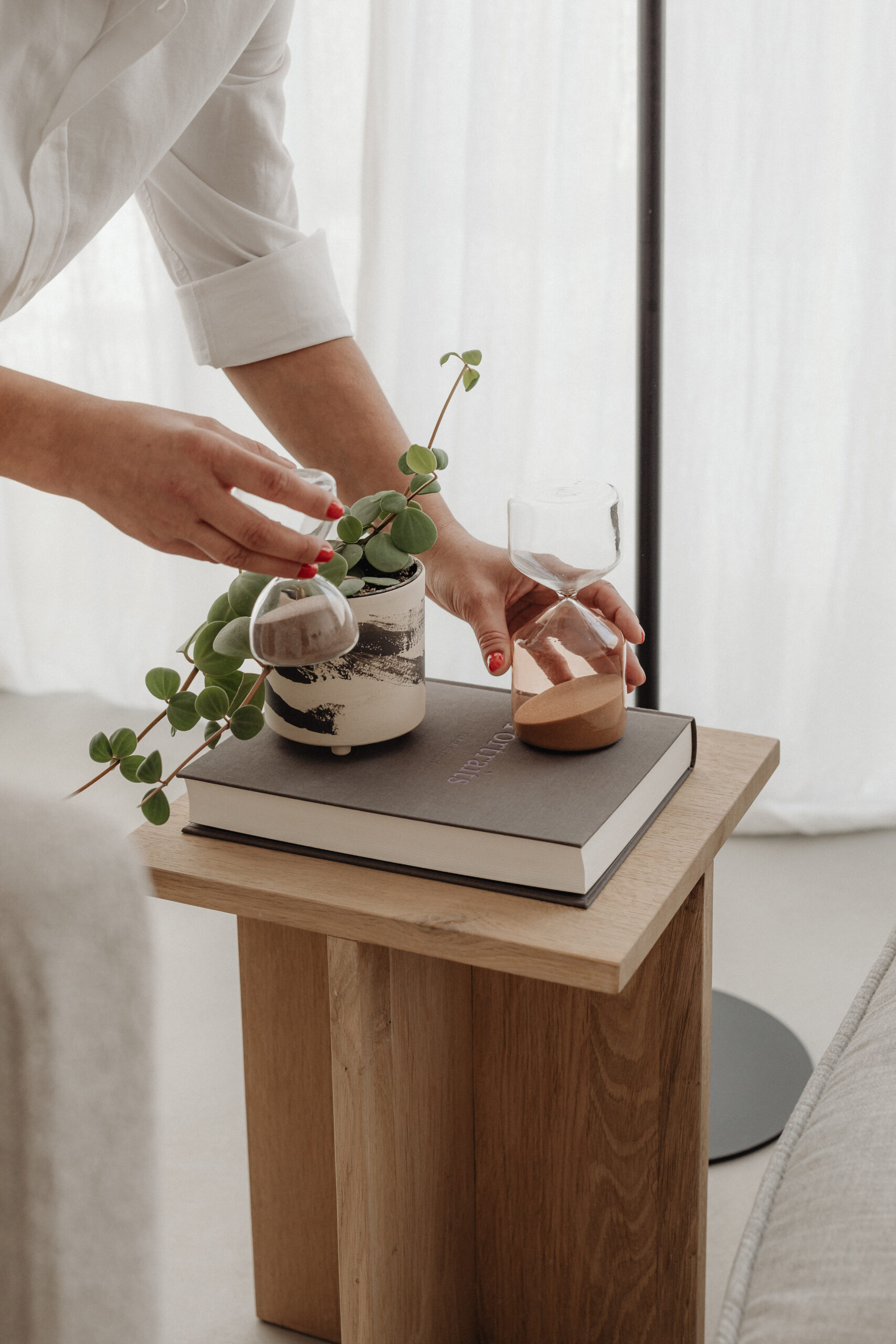
A well-designed small business space does more than look beautiful—it creates an experience that invites customers to engage with your brand on a deeper level. Whether you own a cozy café, a curated boutique, or a calming wellness office, the right design can make all the difference in helping customers feel comfortable, inspired, and eager to return. Here are the top things to consider when designing a small commercial business space that’s both functional and visually striking.
1. Your Brand Assets: Colors, Logo, and Signage
Your space is an extension of your brand, so every design choice should align with your existing brand assets, including colors, logo, and signage. These elements create a cohesive identity and help customers instantly recognize and connect with your business.
Key Tips:
- Choose brand-reflective colors: Select wall colors, furnishings, and fixtures that match or complement your brand palette to create a seamless experience for your customers.
- Thoughtful logo placement: Integrate your logo subtly yet effectively, through signage or small branded touches like menus, product labels, or tags that enhance brand visibility without overwhelming the space.
- Simple and clear signage: Keep signage minimal and clear to guide customer flow and make the space feel organized. Well-placed signage also contributes to the overall aesthetic, helping customers navigate comfortably and enhancing the brand experience.
2. Customer Personas: Designing with Patrons in Mind
Your small business should cater to the types of customers you want to attract. By understanding your primary customer personas, you can create a space that feels welcoming, functional, and appealing to them.
Example Personas:
- Commuters in a coffee shop benefit from a quick, efficient layout with grab-and-go options that allow them to move through the space easily.
- Families may appreciate family-friendly seating or a small play area in cafés, or child-safe zones in wellness offices that provide a comfortable experience for all ages.
- Remote Workers need easy access to outlets, comfortable solo seating, and a peaceful vibe that allows them to focus and enjoy an extended stay.
- Fitness Enthusiasts in a fitness studio look for an open layout that allows for free movement and energizing décor that aligns with their active lifestyle.
By tailoring your space to meet the specific needs of these personas, you create a welcoming environment that makes them want to return.
3. Function and Flow: Make Movement Natural
The way customers move through your space impacts their experience. A well-designed flow ensures that the space feels intuitive and easy to navigate, whether customers are browsing, ordering, or just enjoying the ambiance.
Tips for Optimizing Flow:
- Clear Pathways: Ensure that customers can move freely without obstructions. In a boutique, for example, design clear aisles that allow comfortable browsing without feeling cramped.
- Logical Layouts: Place high-traffic areas, like check-out counters or dressing rooms, in accessible but unobtrusive locations. Think about how customers will enter, browse, and exit, and design around these natural patterns.
- Guiding Details: Use design elements like floor patterns, lighting, or furniture placement to subtly guide customers through the space, enhancing both functionality and aesthetics.
4. The Essentials for Each Business Type
Each type of small business has unique needs, and understanding these essentials can help you create a space that not only reflects your brand but also meets the specific expectations of your clients.
Cafés and Coffee Shops
- Why It Matters: Cafés attract diverse customers, from those looking to work quietly to those stopping by for a quick coffee. Creating a welcoming and versatile environment caters to different needs, encouraging customers to linger and return.
- Essentials: A mix of seating types (banquettes, sofas, small tables), outlets for device charging, durable finishes, and performance fabrics for furniture to handle high traffic and spills.
Boutiques
- Why It Matters: In a boutique, the shopping experience should feel curated and unique. Thoughtful displays, lighting, and layouts help highlight your products and make the shopping experience memorable.
- Essentials: Stylish display tables and racks, ambient and spotlight lighting to accentuate key pieces, comfortable browsing space, and visually engaging displays that invite customers to explore.
Salons and Spas
- Why It Matters: Salons and spas are all about relaxation and indulgence. A calm, well-designed space elevates the client experience, turning an appointment into a special treat.
- Essentials: Soft, natural lighting, comfortable seating, soundproofing for privacy, and calming color schemes to promote relaxation and comfort.
Fitness Studios
- Why It Matters: Fitness studios need to balance energy and functionality, providing open space for movement while supporting a motivating, clean aesthetic.
- Essentials: Easy-to-clean surfaces, mirrors, open areas for movement, and durable materials that can withstand frequent, high-intensity use.
Wellness Offices
- Why It Matters: Wellness offices benefit from a calming, welcoming atmosphere that puts clients at ease. The design should create a sense of security and relaxation from the moment clients walk in.
- Essentials: Inviting reception areas, comfortable seating with personal space, soft lighting, and soundproofing for privacy and confidentiality.
Designing a functional and beautiful small business space is a powerful way to elevate your brand and create a memorable customer experience. By focusing on brand identity, understanding your customer personas, optimizing flow, and addressing the specific needs of your business type, you can create a space that truly supports your business goals.
If you’re ready to transform your small commercial business into a space that’s both functional and inviting, let’s create a design that captures your brand and resonates with your customers. Reach out today to start the conversation.
Subheading
© 2024 Unfurled Interiors
